Jesus walked into the holiest place he knew and flipped the tables over. Not because the temple was dirty. Because of what it had become: a store. A place where people who were scared of God had to pay their way back to him. And Jesus, on that day, tried to shut the store down.
Most people call this story “the cleansing of the temple,” like Jesus grabbed a mop. But look closer at what he actually did, and it stops looking like cleaning. It starts looking like a strike.
Here is the scene. The temple in Jerusalem was the center of everything. If you sinned, you did not just say sorry in your heart. You brought an animal. You handed it over. It was killed, and its blood stood in for you. That was the deal, taught for a thousand years: forgiveness had a price, and the price had feathers or hooves.
But there was a catch. You couldn’t buy your animal with your regular coins. Roman money had the emperor’s face on it, and that face didn’t belong in God’s house. So there were men at tables who changed your money into the right kind. And then there were men selling the animals, right there, marked up. If you were poor, you bought the cheapest thing allowed: a pair of doves.
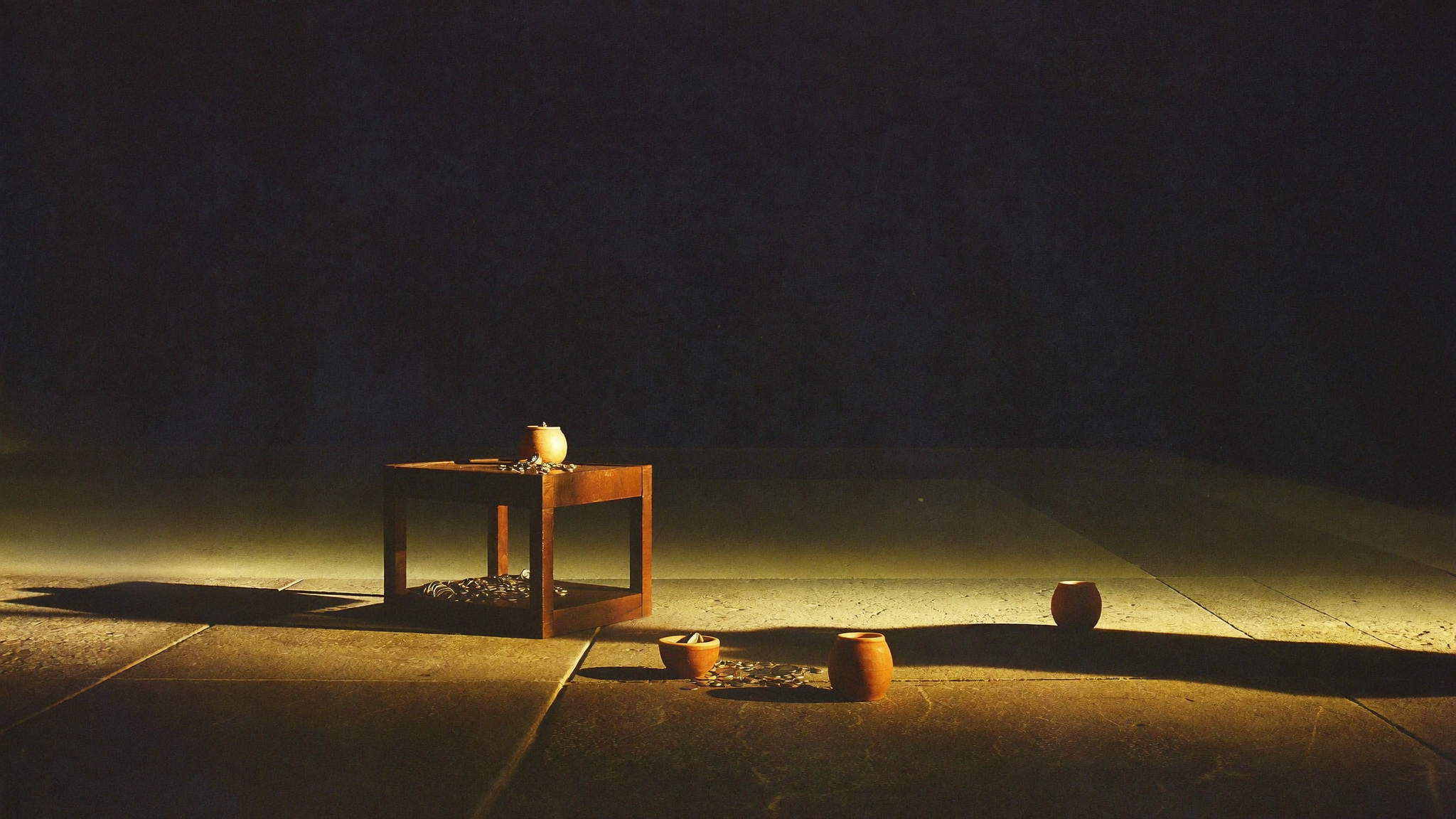
So a frightened person walked in carrying guilt, and before they could reach God, they hit a counter. Change your money here. Buy your lamb there. Please pay first. The whole path back to being forgiven ran straight through a cash register.
And into that, Jesus walks. In John’s telling, he even makes a whip out of small cords and drives the animals out.
And Jesus went into the temple of God, and cast out all them that sold and bought in the temple, and overthrew the tables of the moneychangers, and the seats of them that sold doves.Matthew 21:12
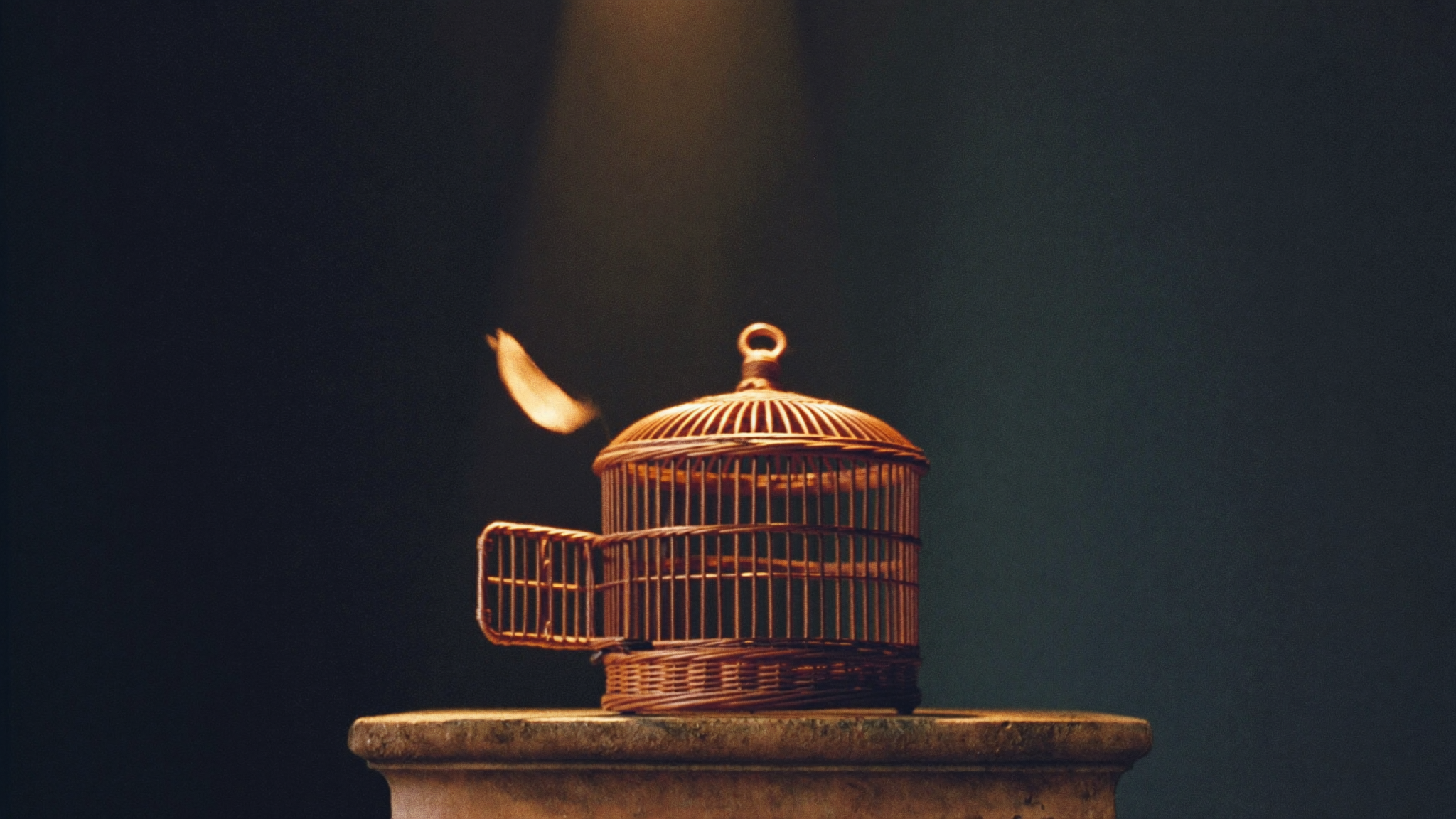
He didn’t rob the till. He tipped it. Coins rolling across the stone. Cages open, doves gone. Mark adds a strange little detail: Jesus would not let anyone even carry their goods through the courtyard anymore. For a moment, the machine stopped. Not the whole system forever — the text does not say the sacrifices ended that day, and we should be honest about that. But for one afternoon, the store was closed. And then he told them why.
He borrowed words from two old prophets and slammed them together. From Isaiah: this was supposed to be a house of prayer. From Jeremiah: you’ve turned it into a den of thieves. That word “thieves” in Jeremiah is heavier than a bad exchange rate — it means a hideout for people who do harm and then run to a holy place to feel safe. Jesus wasn’t just mad about markups. He was naming something rotten at the center.
Now here is the piece almost everyone loses. When Jesus quoted Isaiah, one Gospel keeps the whole line, and the other two cut it short. Only Mark writes down the full sentence:
My house shall be called of all nations the house of prayer.Mark 11:17
Of all nations. That was the part that got left out — in the temple, and almost in the text. There was an outer courtyard, the one place where foreigners, outsiders, people not born into the club, were allowed to come and pray. And that courtyard was exactly where they had set up the market. They took the one room open to the outsider and filled it with sales tables. The people furthest from the center got the noise and the money-counting, while the path to God got sold back to them by the foot.
You should know that smart, honest people read this day in different ways. Some see a huge protest against the whole system. Some see a smaller fight about greed in a holy place. The idea that Jesus was striking at the entire sacrifice-for-forgiveness machine is a strong reading, but it is a reading — the Gospels here narrate what he did, not a speech ending the system. So hold it open. But even the plainest version of the story tells you something enormous about the heart behind the whip.
Because think about who he cleared out first. The doves. The offering of the poor. The cheapest way in. He went straight for the counter that stood between a broke, scared person and God, and he knocked it flat.
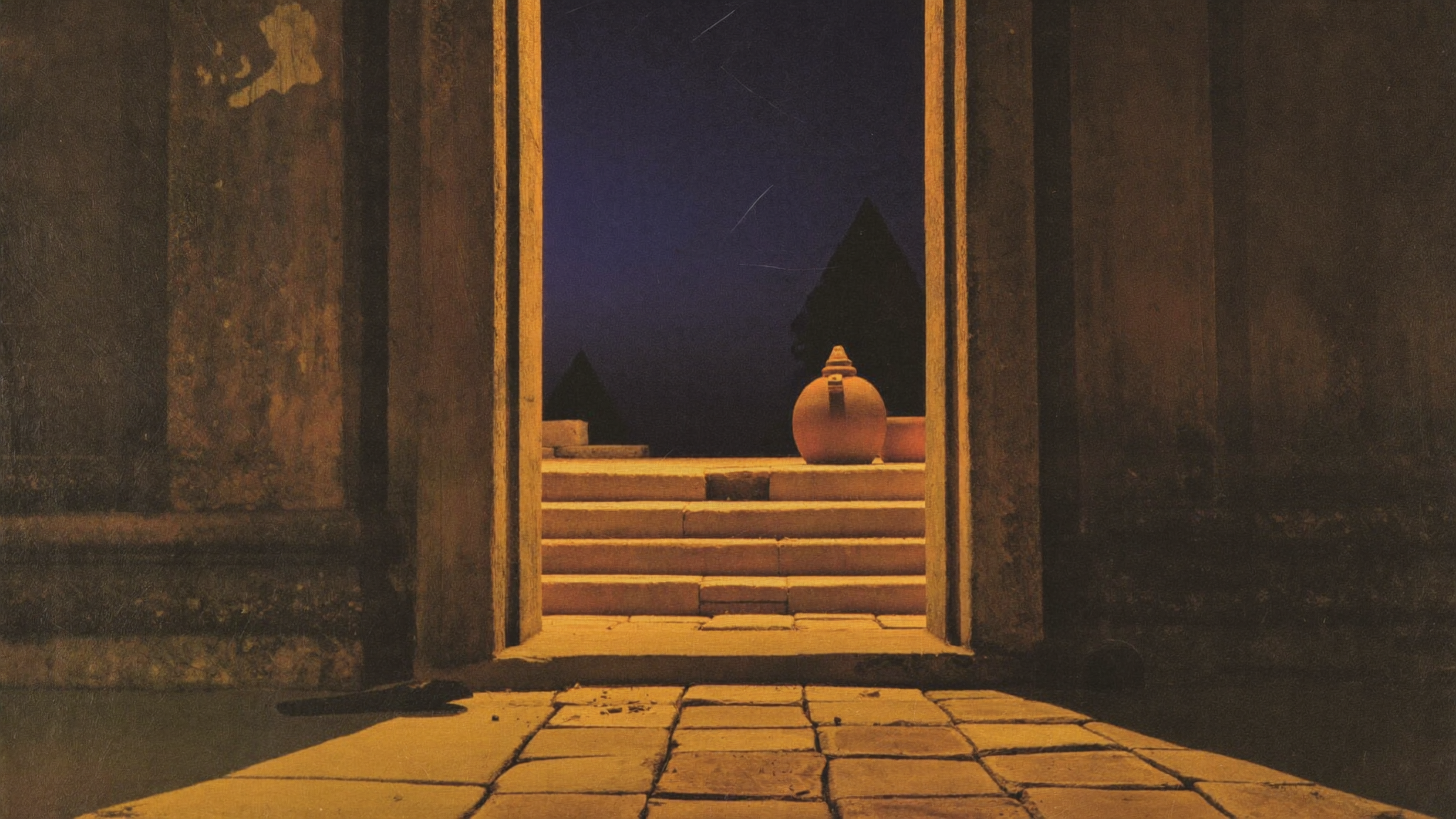
Maybe you grew up being told that God’s love had a cost. That you had to fix yourself, pay something, prove something, clean up, get in line, and then — maybe — you’d be let near. Maybe you’ve stood in the outer courtyard your whole life, the one for people who don’t quite belong, and figured that was your spot. If that’s you, watch this man carefully. He walked into the place where they were charging admission to God, and he threw the tables over on purpose. He was clearing a path. To you. The outsider in the far courtyard was never the problem. The counter was.
That’s the God we keep finding when we go back to these old stories — not one who guards the door, but one who kicks it open. Come find us online, where we’re reading the New Testament fresh and meeting the Jesus who cleared the way in. The house was always meant to be for all of us. There’s room for you inside it.