The last thing Jesus did as a free man was fix the body of a man who came to arrest him. Think about that. The soldiers were already there. The torches were already burning. And one of Jesus’s own friends had just drawn a sword and swung it. Then Jesus knelt down and healed the enemy his friend had cut. That is where the story ends before the story gets dark. Not with a fight. With a wound being closed.
Let me back up, because this scene is famous and most people remember it wrong.
It is late at night, in a garden called Gethsemane. Jesus knows they are coming for him. A crowd shows up with lanterns and weapons, led there by one of his own. And in that moment, one of the disciples decides he is done waiting. He pulls out a sword and swings it at the head of a man in the arresting party. He misses the neck. He gets the ear.
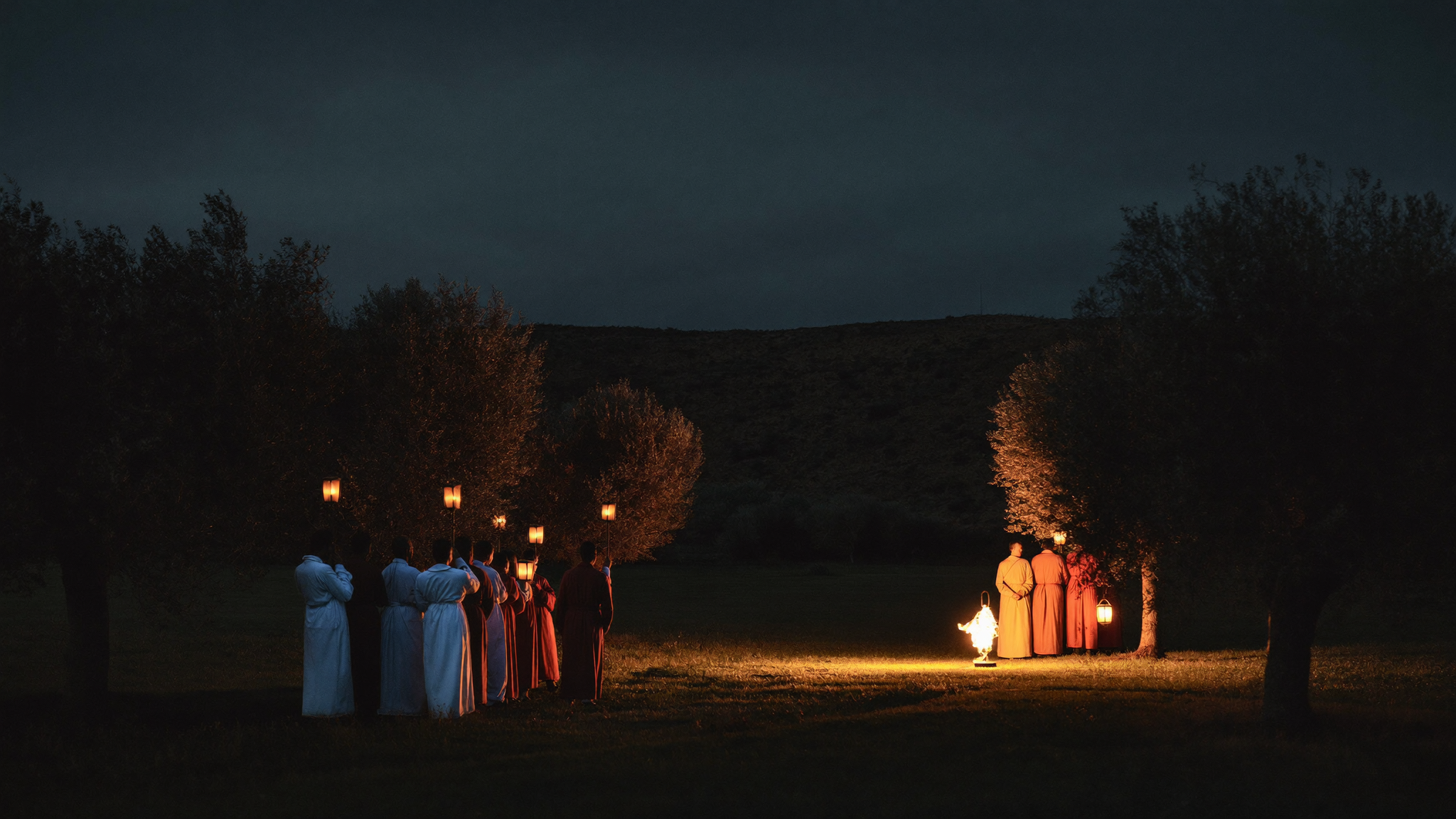
Here is where you have to read carefully, because the four Gospels tell this piece a little differently, and each one keeps a different detail. Matthew, Mark, and Luke all say “one of them” drew the sword — they don’t give a name. Only John tells us who it was: “Then Simon Peter having a sword drew it, and smote the high priest’s servant, and cut off his right ear. The servant’s name was Malchus” (John 18:10). So the name we know, Peter, and the name of the man he hurt, Malchus — those come from one Gospel, John. When you hear this story told as one smooth scene, remember it is stitched together from four accounts. That is fair to do. But it is honest to say we are stitching.
Now watch what Jesus does with his own side.
He does not cheer. He does not say “finally.” He turns on his friend. “Put up again thy sword into his place: for all they that take the sword shall perish with the sword” (Matthew 26:52). Put it away. Not “wait for a better moment.” Not “we’ll fight later.” Away. And in John, he says it a second way, just as plain: “Put up thy sword into the sheath” (John 18:11).
Put up again thy sword into his place: for all they that take the sword shall perish with the sword.Matthew 26:52
People love to grab that line — “all they that take the sword shall perish with the sword” — and turn it into a rule for every fight everywhere. Slow down. In this exact moment it is a rebuke to one man swinging a blade to defend Jesus. It is also true that earlier that same night Jesus had told his friends to buy a sword (Luke 22:36-38), and that’s a tension people have argued about for a very long time. So this one verse is not a tidy answer to every hard question about force and self-defense. What it clearly is, right here, is Jesus refusing to be rescued by violence.
And he could have been rescued. That’s the part that makes this astonishing. Jesus says he could call on “more than twelve legions of angels” (Matthew 26:53). He is not weak. He is not cornered with no options. He has all the power in the world standing by, and he tells it to stand down. Later he says it flat out: “my kingdom is not of this world: … then would my servants fight” (John 18:36). His people don’t fight. That’s not because they lose. It’s because that is not what his kingdom is.
Then comes the part only Luke keeps, and it is the whole heart of this.
And Jesus answered and said, Suffer ye thus far. And he touched his ear, and healed him.Luke 22:51
He reaches out. He touches the ear his friend just cut. And he heals the man who came in the dark to take him away. Only Luke tells us this — Matthew, Mark, and John leave it out — so I want to be square with you: this healing is in one of the four accounts, not all four. But there it is. The last healing Jesus does before the cross, in Luke’s telling, is done on a body in the crowd that came to arrest him.
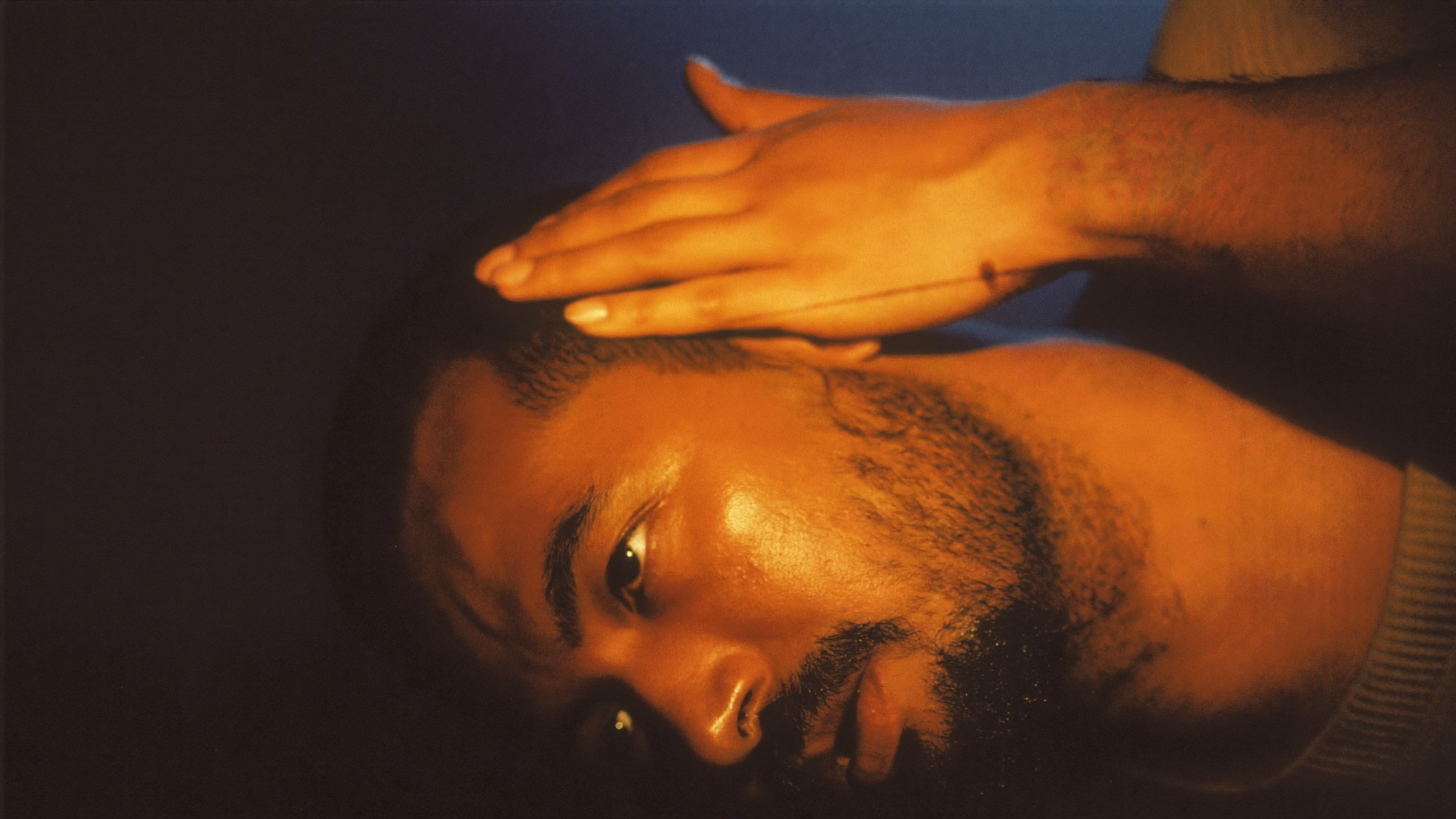
Think about who that is. A servant of the high priest. Part of the group sent to seize him. In the story, he is on the other side. And Jesus does not scold him, does not curse him, does not let him bleed as a lesson. He closes the wound and lets him go.
So put the two things side by side, even though they come from two different Gospels. Peter’s side lifts a sword to protect God. And Jesus turns and undoes the damage that sword did — to the enemy. For a long time, people had believed that God’s fights were won with blades. That the holy thing to do, when God’s people were threatened, was to swing. Jesus stands in the middle of an actual raid, with an actual weapon already drawn in his defense, and he says no. Not by preaching about it. By healing the man his own follower just cut.
Maybe you grew up being handed a sword. Maybe you were taught that loving God meant drawing a hard line and standing on the right side of it, ready to strike. Maybe you’ve been the one on the other side of somebody else’s blade — cut by people so sure they were defending God. If that’s you, look again at whose ear he touched. It wasn’t a friend’s. It was the man the crowd would have called the enemy. Jesus healed him anyway. That tells you something about which side of the line his mercy lands on. It lands on yours.
That’s the Jesus we keep coming back to — the one who put the sword away and healed the wound instead. If you’ve never met him told this plainly, come find us online, where we’re going back to the old stories and turning up the love that was there the whole time. Pull up a chair. There’s room for you here, sword or no sword.