The most powerful person in the room got up and did the dirtiest job in the house. On purpose. In front of everyone. And then he told them all to do the same.
That’s the whole story. But you have to sit inside it for a minute to feel how strange it was.
Picture the room. It’s the night before the Passover feast, the biggest night on the calendar. Jesus and his closest friends are at supper together. He knows what’s coming. The text says he knew “his hour was come that he should depart out of this world unto the Father.” He knew this was close to the end. And on a night like that, you’d expect the leader to say something grand. To sit at the head of the table and let everyone lean in.
Instead he stands up. He takes off his outer clothes. He wraps a towel around his waist, the way a servant would. He pours water into a basin. And then he kneels down and starts washing the dust off his friends’ feet, one pair at a time, drying them with the towel tied around him.
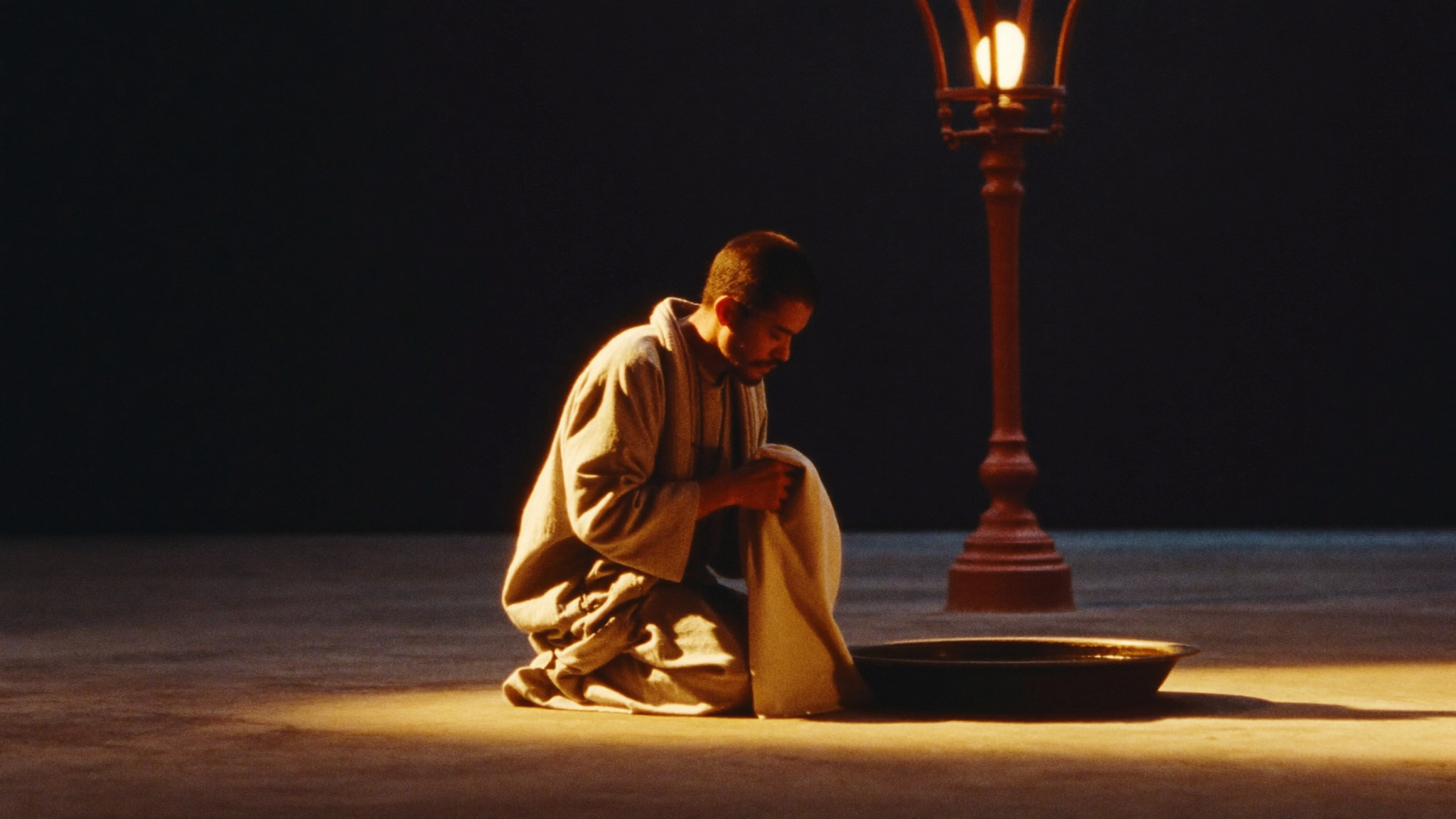
You have to understand what that meant back then. When guests came in off dusty roads in open sandals, their feet were filthy. So a house would have someone wash them at the door. Not the host. Not the honored guest. The lowest servant in the house did it, the one nobody else wanted to be. It was the bottom rung. Everybody in that room knew it. That’s the background that makes this scene land.
So watch what happens when he gets to Peter. Peter pulls his feet back. “Thou shalt never wash my feet,” he says. And you can hear what’s underneath it. This is wrong. You’re the teacher. You’re the Lord. You don’t kneel in front of me. Peter is trying to protect the order of things, the way everyone had always been taught the world works. The big person stays big. The small person stays small.
Jesus doesn’t argue about status. He says something quieter and stranger: “If I wash thee not, thou hast no part with me.” And Peter, who never does anything halfway, suddenly wants to be washed head to toe. But Jesus keeps it simple. Then he says a thing that most people skip past, and I don’t want to skip it, because he says it right here too: this washing isn’t only about clean feet. “Ye are clean,” he tells them, “but not all.” He means Judas, sitting right there. So the water is doing two things at once. It’s a lesson about serving each other, yes. But it’s also a picture of being made clean by him, of belonging to him. Both are true in the same basin.
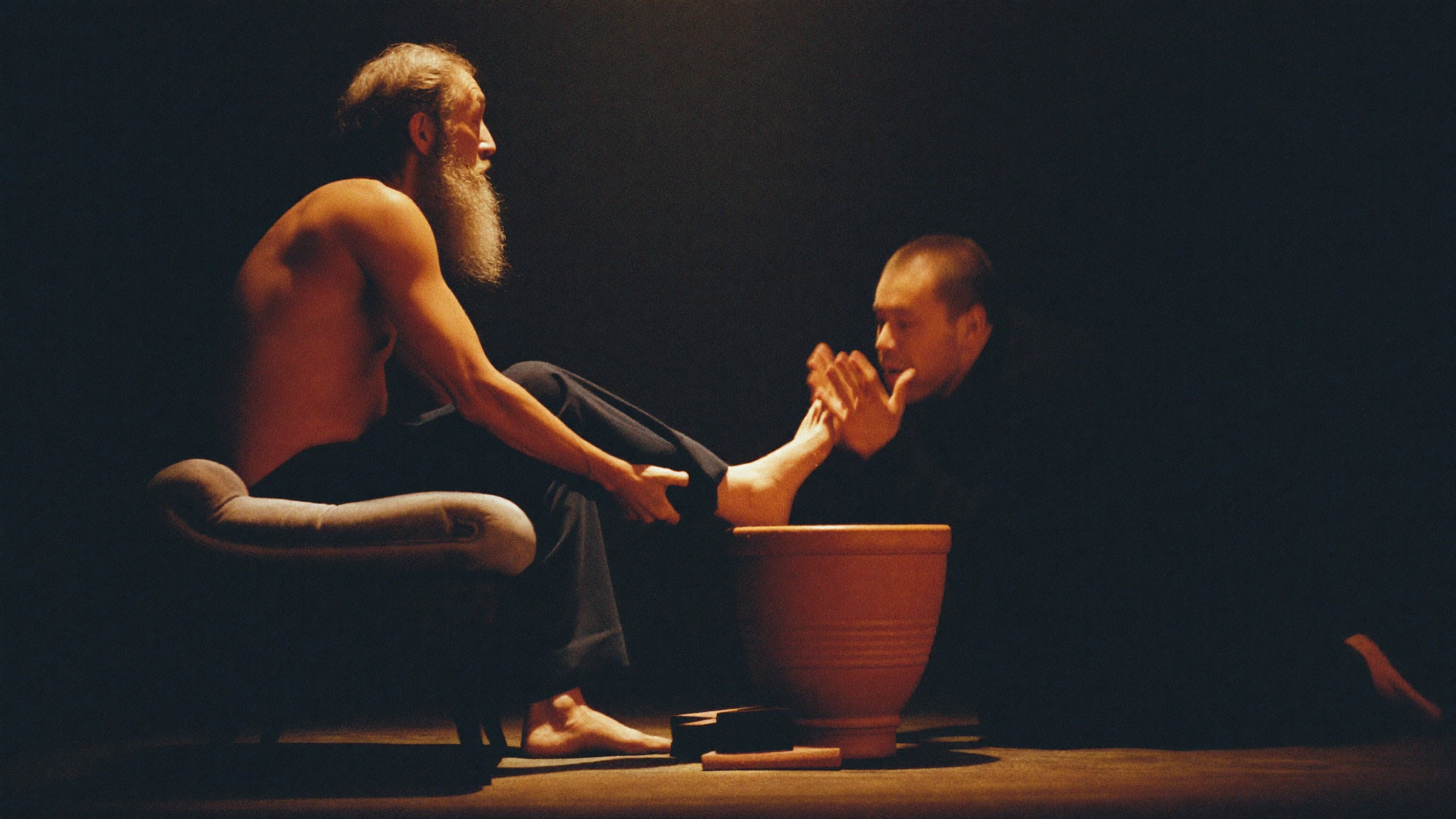
Then he sits back down and says the line the whole night was built around. And I want to quote it exactly, because the popular version trims it. He says, “Ye call me Master and Lord: and ye say well; for so I am.” He doesn’t hand away his authority. He owns it. And then: “If I then, your Lord and Master, have washed your feet; ye also ought to wash one another’s feet.”
Read that slowly. He does not say the Lord is now equal to everyone. He says the Lord chose to serve. He keeps the title and turns it upside down at the same time. “The servant is not greater than his lord,” he adds. In other words: if the greatest one in the room took the lowest job, none of you gets to think it’s beneath you.
That’s the strike. Not against the priests, not against a temple, the text names none of those. The strike is against the thing living inside his own friends, the same thing living inside us. The hunger to be the important one. The habit of measuring who’s above and who’s below. He kneels down in the middle of that hunger and quietly ends the game.
Here’s what I want to say to you, if you’ve spent your life on the low rung. If you’ve been the one who cleans up after everyone else and never gets thanked. If some room, some church, some family, taught you that you were the small person who serves and stays quiet while the big people get honored. Look at whose feet are being washed. Look at who’s holding the towel. The most important person in the story got on the floor for the people the world would have told to get on the floor for him. He didn’t do it to shame them. He did it so they’d never again believe the lie that some people are made to kneel and others are made to be served. In his room, greatness looks like a towel and a basin. And there is a place for you at that table, not at the far end, not below the salt. At the table.
He finished by saying, “If ye know these things, happy are ye if ye do them.” Not just know them. Do them. Kneel for each other the way he knelt for you.
That’s the kind of story we keep turning back to. Come find us online, where we’re reading the old accounts again and finding the love Jesus actually knelt down to show. There’s a place at this table for you, and someone already saved it.