Before Jesus raised a dead man, He cried at the grave. That’s the part people skip. We rush to the miracle. But stop and look at the God standing in the dirt, red-eyed and shaking. He is not calm. He is not far away. He is weeping. And He is about to prove that death does not get the last word.
Here is a family. Two sisters, Mary and Martha, and their brother Lazarus. They lived in a little town called Bethany, close to the big city.

Jesus loved these people. Really loved them. So when Lazarus got sick, the sisters did the natural thing. They sent word.
Lord, behold, he whom thou lovest is sick.John 11:3
They didn’t beg. They didn’t have to. They just named the love and trusted it. He whom thou lovest. Come.
And then something strange happens. Jesus does not come. He stays where He is. For two more days.
Now hold that. Because it looks cold. It looks like He didn’t care. But the text tells us why He waited, and it is not indifference. He said this sickness was “for the glory of God” (John 11:4). He was not letting death win. He was setting up a moment where everyone would see, past all doubt, what He could do.
By the time Jesus finally walks toward Bethany, it is too late. Lazarus is dead. Not sleeping. Not almost gone. Dead, and buried, four days in the tomb. The text does not soften it. When they get to the grave, Martha herself says the hard thing out loud: by now, he stinks (John 11:39). This is real death. Decay you can smell.
Martha comes out to meet Him first, and her words are an accusation wrapped in faith.
Lord, if thou hadst been here, my brother had not died.John 11:21
Where were you. Every grieving person has said some version of that. If you had shown up. If you had done something. Mary says it too, later, word for word. Two sisters, same wound.
And Jesus does not lecture them. He does not say “have more faith.” He gives Martha something huge instead.
I am the resurrection, and the life: he that believeth in me, though he were dead, yet shall he live.John 11:25
Read that slowly. He does not say I know a trick that beats death. He says I am the thing death loses to. Not a method. A person. Him.
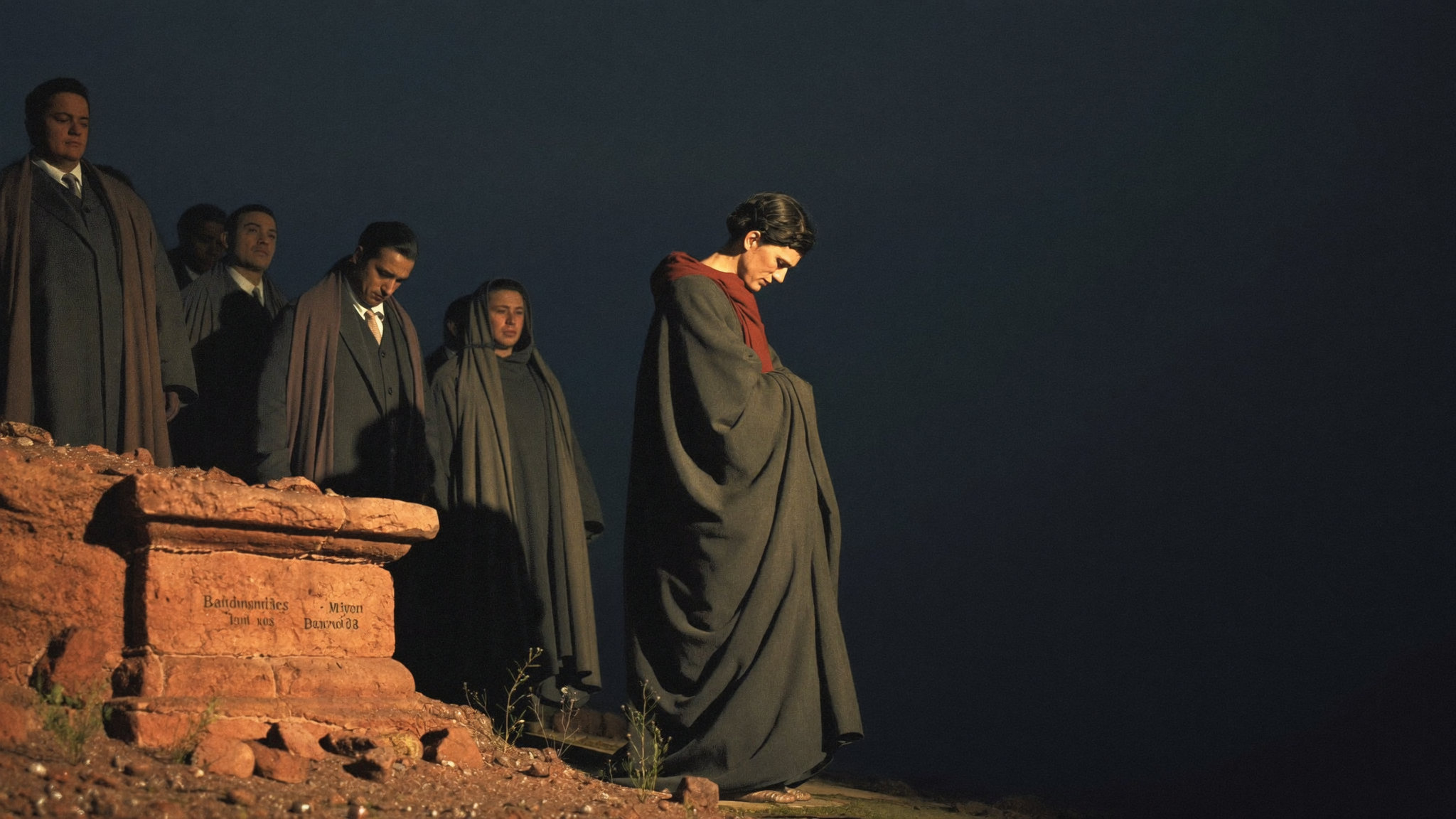
Then comes the smallest verse in the whole Bible. Two words.
Jesus wept.John 11:35
The text says He was “groaning in himself” (John 11:38), troubled deep down. People have argued for centuries about exactly why He cried. Some say He was just sad, like any of us at a funeral. Some say He was angry — angry at death itself, at what it does to people He loves. The Bible does not settle the argument for us, so I won’t pretend it does. But here is what we can say for sure: God, standing at a grave, did not shrug. He broke. Death made Him weep.
That matters. Because a lot of us grew up being taught that death is God’s tool. That He hands it out as punishment. That when someone dies, maybe God was settling a score. And I want to be honest with you — the Bible is not simple here. In other places it does connect death to sin. “The wages of sin is death,” Paul writes (Romans 6:23). That’s on the page too, and I won’t hide it from you.
But look at Jesus at this grave. He is not calmly delivering a sentence. He is crying. And then He does something no judge does. He undoes it.
Lazarus, come forth. And he that was dead came forth.John 11:43-44
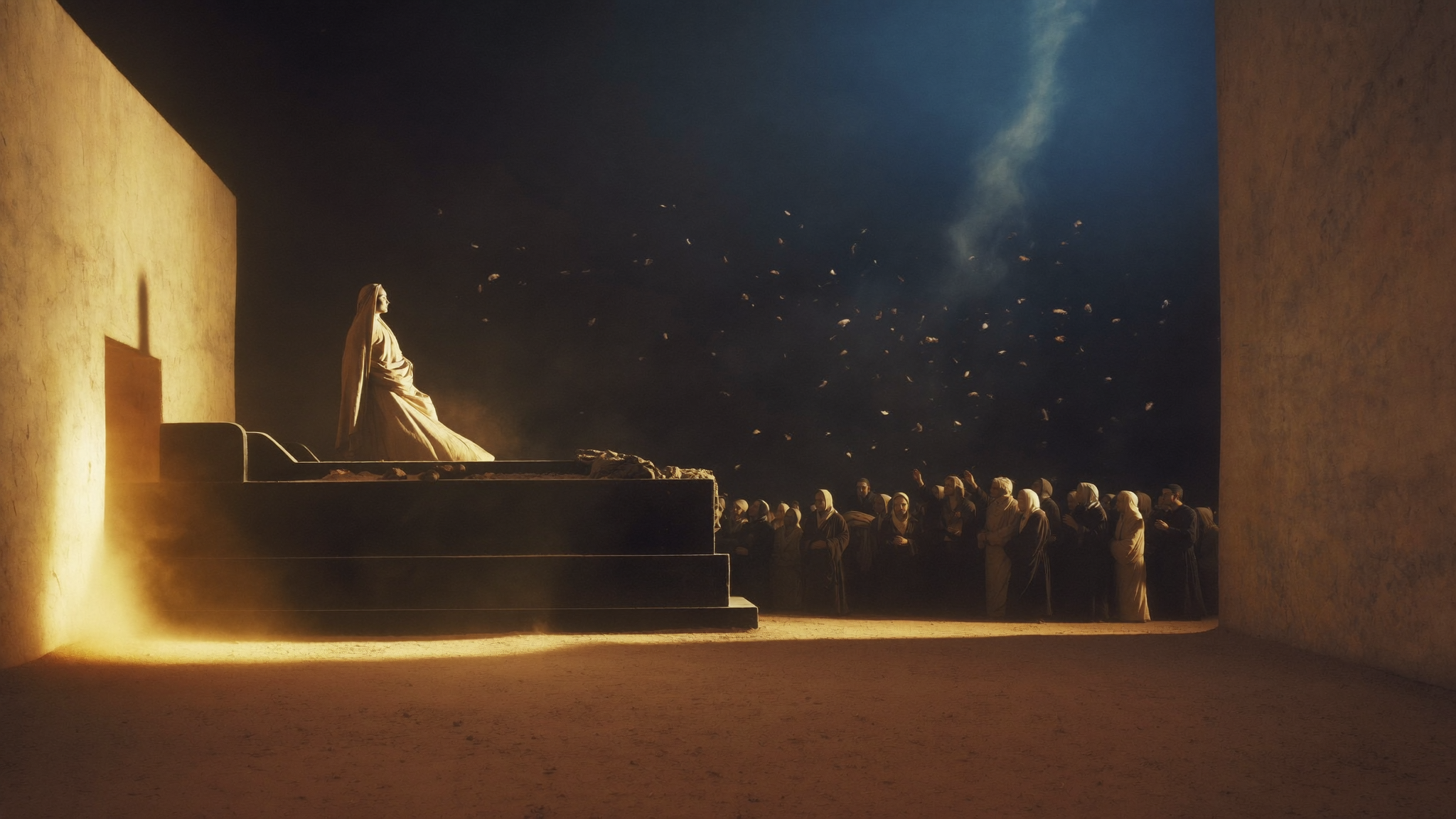
A dead man walks out of his own tomb, still wrapped in grave-cloths. And notice what Jesus said it was for: “that they may believe” (John 11:42). Not to scare anyone. To show them who He is.
Let me be careful and honest with you about one thing. Lazarus walked out — but Lazarus would grow old and die again someday. This wasn’t the final, forever kind of resurrection. It was a sign. A preview. A promise pointing at the day Jesus Himself would walk out of a tomb and not go back in. The whole New Testament keeps building this one idea: death is not God’s favorite weapon. Death is “the last enemy” — the thing that gets destroyed (1 Corinthians 15:26). Not the sentence. The enemy. And Jesus came to beat it.
So here is the part I most want you to hear. Maybe you have stood where Mary and Martha stood. Maybe you have whispered where were you into an empty room. Maybe someone taught you that the loss was a punishment, that God was disappointed in you, that the grave was God getting even. I want you to look again at Jesus in the dirt, crying before He does anything else.
That is not a God keeping score. That is a God who hates the grave as much as you do — and who has the power to open it. He wept with you before He ever wiped a tear away. He is not the one who buried your hope. He is the one standing outside it, calling it to come out.
If any of this reaches something raw in you, come find us online. We’re going back to the old stories and finding the love Jesus actually came to bring — the kind that cries at your grave and then calls your name. There’s a place at this table for you, and the door is not locked.