Here is the secret hiding on the first page of the New Testament. The family tree of Jesus was not built to keep people out. It was built to let them in. And once you see how, you can’t un-see it.
Let me show you.
Most people never really read the first page of Matthew. It’s a list of names. This one had a son, who had a son, who had a son, all the way down. Page-skipping stuff. For a long time, people said this list was there to prove something simple: that Jesus came from good, clean, royal blood. The right family. The kind you’d be proud to belong to.
But someone who knew what they were doing wrote this list. And they filled it with the wrong people on purpose.
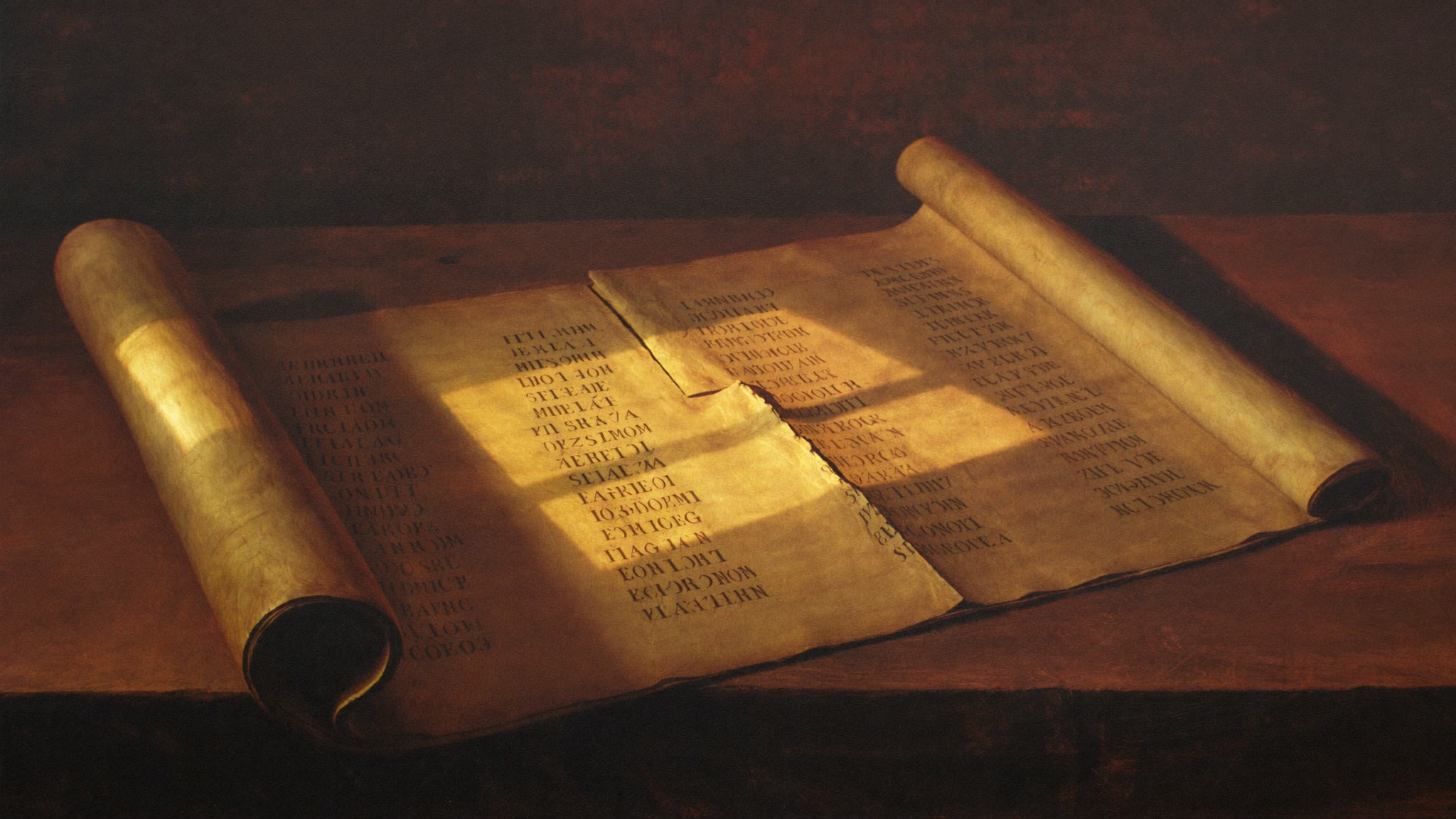
What a family tree really did
To feel why that matters, you have to know what a family tree did back then. It wasn’t a fun fact about your great-grandparents. It was your whole standing in the world. Your family line told everyone which people you belonged to, who would share a meal with you, whether you counted as an insider or an outsider. A clean line meant you were safe. One shameful name in it, and people had a reason to look down on you for the rest of your life.
So when someone wrote the family tree of a king, the job was obvious: leave out anything embarrassing. Make it spotless.
Whoever wrote Jesus’s family tree did the opposite. They went looking for the shameful names — and wrote them in.
Watch who they chose
They wrote in a woman named Rahab. She wasn’t an Israelite; she came from the city of Jericho, one of Israel’s enemies. She sold her body for money, which her world counted as about the lowest thing a person could do. When two Israelite men came to her city as spies, she hid them and saved their lives. An enemy. An outsider. A woman with a past. Her name is right there in the family tree of the man Christians would one day call the Son of God.
Then there’s Ruth, and I want you to slow down for Ruth, because she’s the one who breaks it wide open.
Ruth came from Moab. Now, Moab wasn’t just some other town — Moab was the outsider, the neighboring people the Israelites had feuded with for generations. It was so serious that the old law wrote it down in plain words:
An Ammonite or Moabite shall not enter into the congregation of the Lord; even to their tenth generation shall they not enter into the congregation of the Lord for ever.Deuteronomy 23:3
In everyday words: a person from Moab was to be kept out of God’s people. Not just them — their children, and their grandchildren, for ten generations. Forever. If any group was named, out loud, as “you don’t belong here,” it was Ruth’s.
And here is what the same book does with her. Ruth from Moab leaves her home, comes to Israel, and marries a good man. They have a son. That son has a son. And that grandson is David — the greatest king Israel ever had. So the shepherd-king every Israelite was taught to be proud of came, just three generations back, from the one people the law had shut the door on.
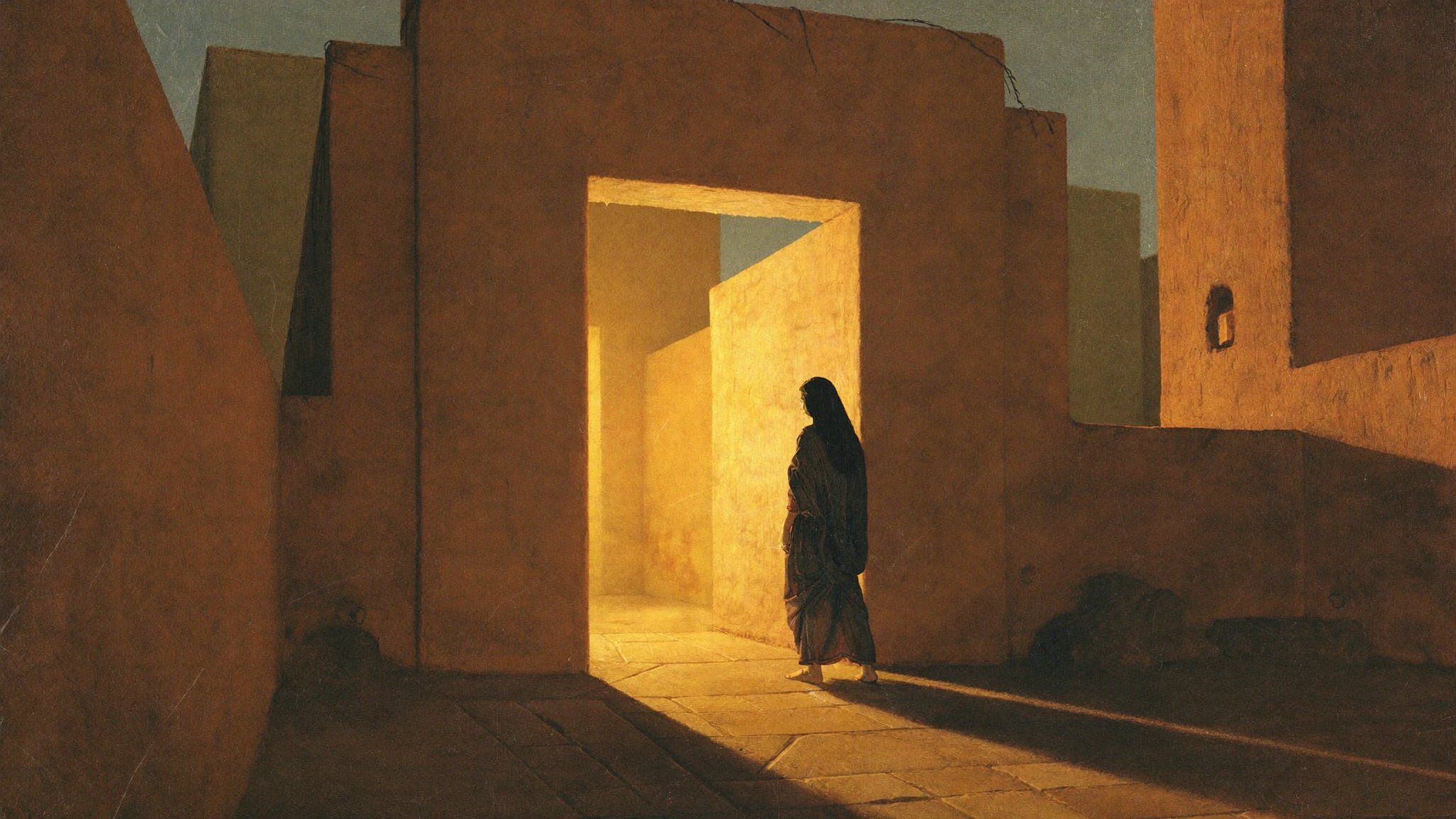
Sit with that for a second. The book that wrote the rule kept the woman who crossed it. And instead of hiding her, it made her a grandmother of the king.
The men were no cleaner
Don’t think for a moment the men in this list were the respectable half. The line runs straight through King David himself — and it runs through the worst thing he ever did.
David saw a woman named Bathsheba, who was married to one of his own soldiers, a loyal man named Uriah. David wanted her. So he arranged for Uriah to be sent to the front of a battle and left there to die, and then he took Uriah’s wife. It was murder, dressed up so no one could point to the king’s own hand. And when the family tree gets to that part, it refuses to smooth it over. It won’t even give Bathsheba her name. It calls her only “the wife of Uriah” — so that no one reading it could ever forget the man David betrayed to get her.
David the king begat Solomon of her that had been the wife of Urias.Matthew 1:6
So look at what this “royal” family tree actually holds. An enemy woman from Jericho. A foreigner from the people the law banned. A king’s worst crime, written down on purpose. These are the names someone chose to keep. And at the very end of that line of outsiders and broken people stands Jesus.
What the list was really for
He hadn’t said a single word yet, and the list had already told you everything he came to say.
There is no such thing as pure blood. There never was. The family God chose to work through was made, on purpose, out of the exact people the world was busy throwing away — the foreigner, the enemy, the woman with a past, the one everyone agreed didn’t belong.
Which means the list was never really about who Jesus came from. It was about who he came for.

And if you’ve ever been the one left off the list — the one told you were too far outside, too far gone, not the right kind, not clean enough to belong — then read that first page again, slowly, and understand what it was doing. It was making room. For Rahab. For Ruth. For a king who did a terrible thing. And for you.
You were on the list the whole time.
To sit with more of this — to keep turning back to old scripture and finding the love that was hiding in it all along — come find us online, where we’re learning together to hear what Jesus actually came to teach. There’s a place at the table for you here, too.