Jesus sat down at a well and asked the one person he was not supposed to talk to for a drink of water. And that conversation ended with a whole town believing him. That’s the whole story, right there. But you have to feel the weight of it to see how big it is.
Start wide. In those days, people believed you could only really reach God in the right place, with the right kind of people. There was a proper mountain. There was a proper temple. There were proper folks who belonged, and there was everyone else. If you were the wrong kind of person, born in the wrong place, the message you got your whole life was simple: not you. Stay back. God is over there, behind a door, and the door is not for you.
Now come in closer. Jesus was traveling, and the text says he “must needs go through Samaria.” That word “must” matters. Most people who were like Jesus would go the long way around Samaria on purpose, just to avoid it. The Jews and the Samaritans had hated each other for a very long time. But Jesus went straight through. He was tired from walking, and around midday he sat down by an old well while his friends went off to buy food.
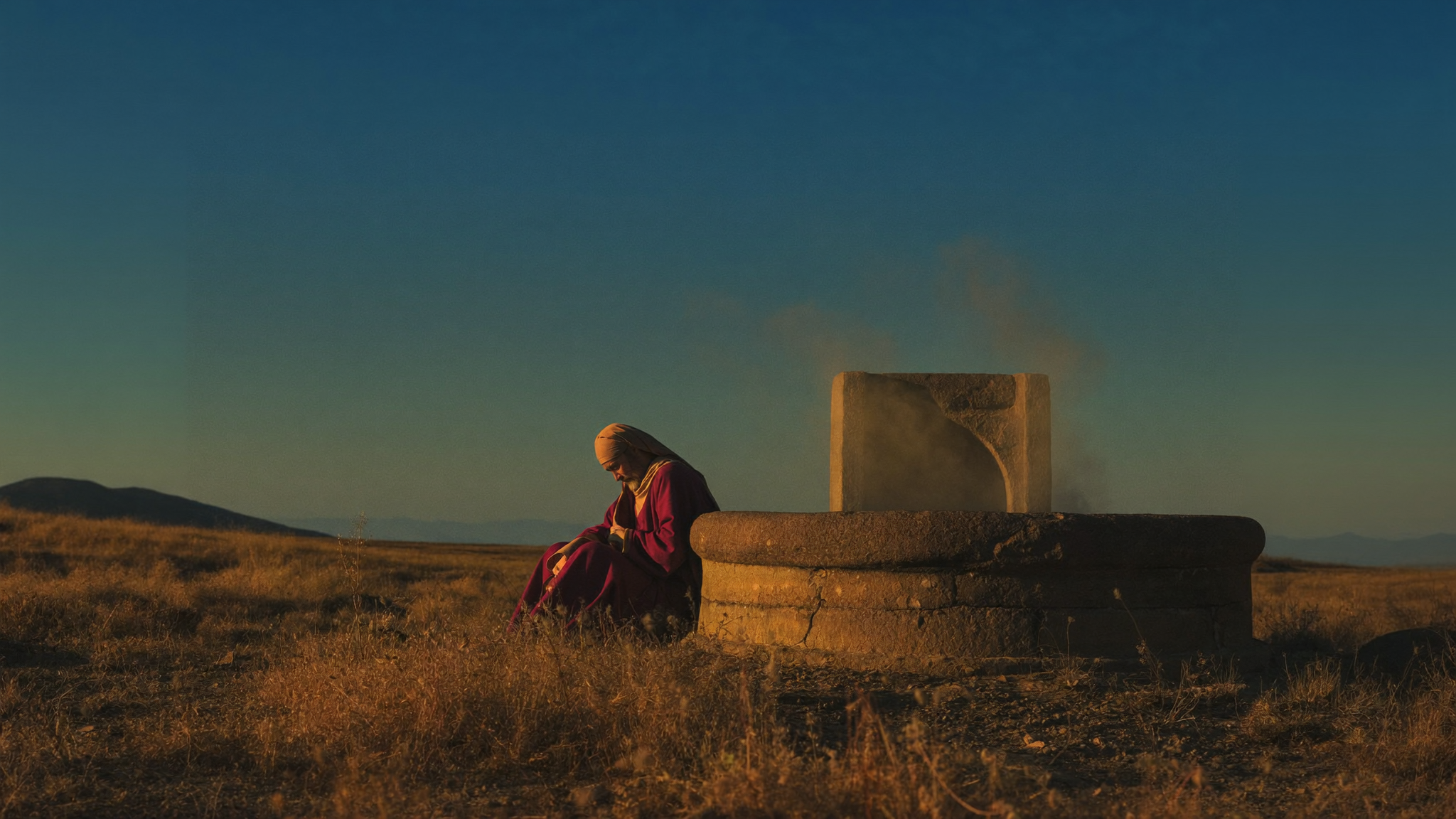
A woman came to draw water, and she was alone. And Jesus said to her, “Give me to drink.” Four words. But she froze, because she knew exactly how strange this was. She said it out loud herself: How is it that you, a Jew, are asking me, a woman of Samaria, for a drink? And then she added the part everyone already knew: the Jews have no dealings with the Samaritans.
Look at how many lines he crossed with one sentence. She was a Samaritan. She was a woman, and men like him did not chat with strange women in public. And she was there by herself. Every rule about who you talk to and who you keep away from, he stepped right over, all at once, on purpose. He didn’t do it by accident. He picked her.
Then he offered her something no one had ever offered her. He talked about living water. He said whoever drinks the water he gives will never be thirsty again, that it would become a spring inside them, welling up into life that never ends. She was standing there with an empty jar, and he was telling her she could carry something inside her that would never run dry.
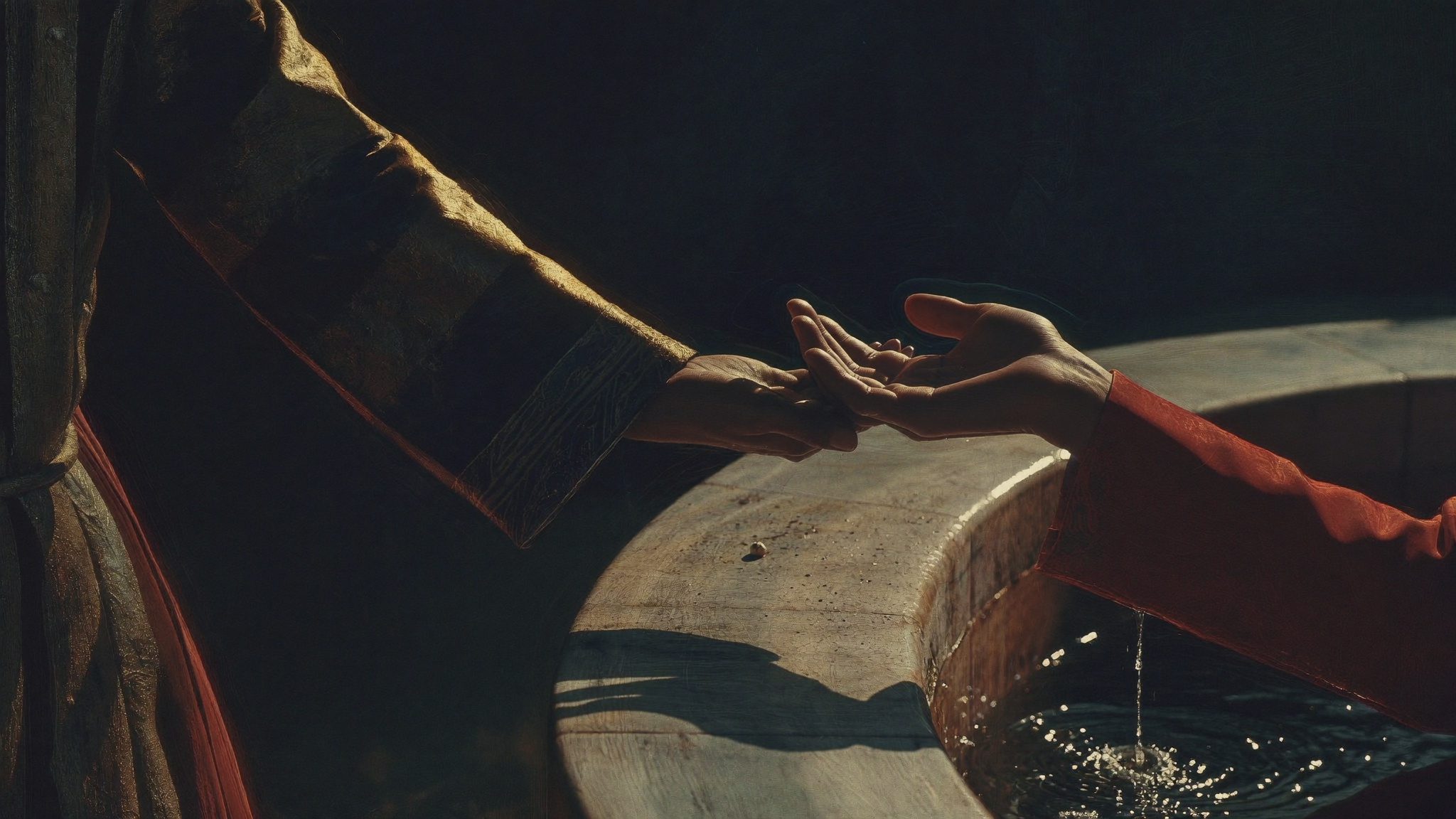
The conversation got personal. He told her he knew she had had five husbands, and the man she was with now was not her husband. Notice what he did not do. He did not call her a bad woman. He did not tell her to go and stop sinning. He did not demand she feel ashamed. The text just says he knew her whole life, and he stayed at the well and kept talking to her anyway. People have added a lot of guesses on top of this over the years — that she was wicked, that she came at that hour to hide from the other women. The story itself does not say any of that. It says he knew everything, and he did not turn away.
Then she asked the big question, the one behind everything. Where are we supposed to worship God? On this mountain, the way my people say? Or in Jerusalem, the way yours say? Which place is the right place? Which people are the right people?
And here is what Jesus said. The hour is coming when you will worship the Father neither on this mountain nor in Jerusalem. God is a Spirit, and the ones who worship him must worship in spirit and in truth. He didn’t pick her mountain over his own. He was honest — he even said salvation comes through his people, the Jews. But he told her the walls were coming down. God was never trapped on one hill or locked behind one door. You would not need the right address anymore. You would need a true heart.
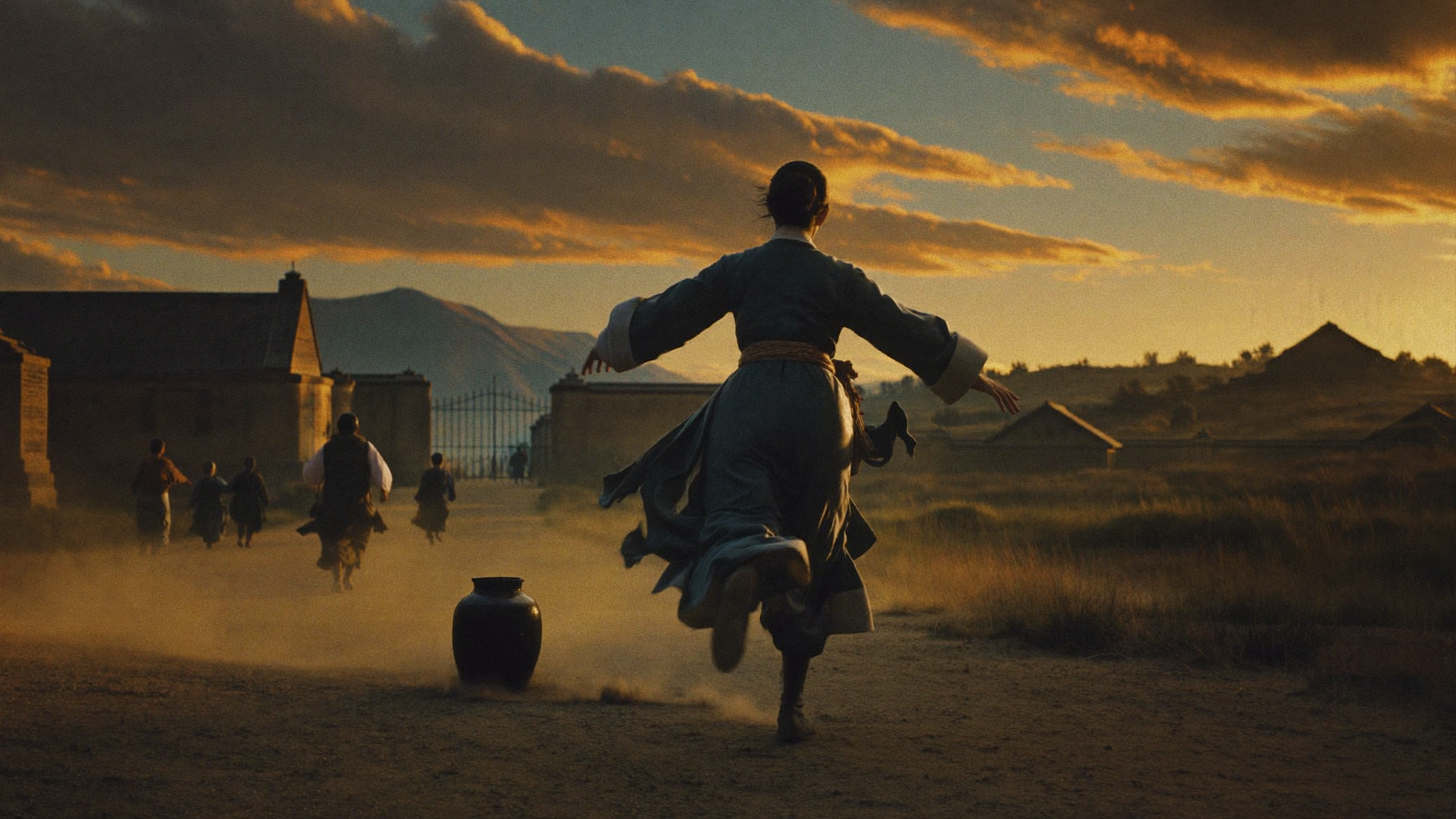
Then he told her plainly who he was. And she left her water jar sitting there and ran back to town and said, come see a man who told me everything I ever did. And the people came. Many of them believed because of what she said, and then more believed because they heard him for themselves. They ended up calling him the Savior of the world. The wrong kind of person, in the wrong place, alone — she became the first one to go tell everybody.
If you have ever stood outside a door someone told you was not for you — because of where you’re from, or what you’ve done, or something about you that made people whisper — read this slowly. Jesus went out of his way to reach that woman. He crossed every line to sit with her. He knew all of it and did not flinch. That was not a mistake in the story. That was the point of the story. He came looking for the very people the door was closed against. He came looking for you.
So come find us online, where we’re going back to the old stories and finding the love Jesus actually came to bring. The door isn’t the point anymore. There’s water here that never runs out, and there’s room at this well for you.